In the world of interior design, the kitchen is often referred to as the “engine room” of the home. It is a high-traffic zone where culinary creativity meets the daily logistics of family life. However, even the most aesthetically pleasing kitchen can become a source of stress if it lacks organization. A poorly planned kitchen leads to cluttered countertops, lost ingredients, and a frustrated cook. This is where strategic storage design becomes a game-changer.
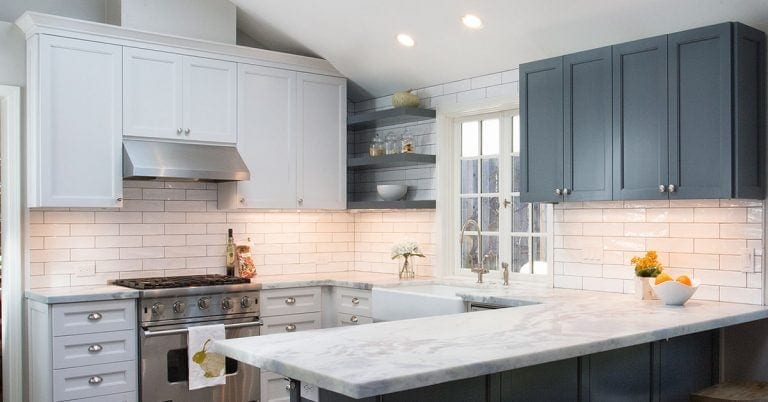
Improving your kitchen storage is not just about finding more space; it is about optimizing the space you already have. By focusing on ergonomics, accessibility, and clever engineering, you can transform your kitchen into a streamlined sanctuary that makes cooking a joy rather than a chore.
The Philosophy of the Work Triangle and Point-of-Use Storage
Before buying bins or installing shelves, it is essential to understand the “Work Triangle” concept—the path between the stove, the sink, and the refrigerator. Modern storage design takes this a step further by implementing “Point-of-Use” storage. This philosophy suggests that every item should be stored as close as possible to where it is most frequently used.
For example, heavy pots and pans should be stored directly beneath or adjacent to the stovetop. Baking sheets and rolling pins should reside near the oven or a dedicated prep station. Spices and oils are best kept within arm’s reach of the primary cooking surface. By designing your storage around your movements, you reduce the “mileage” you walk during meal preparation, making the entire process feel more intuitive and efficient.
Vertical Expansion: Utilizing Every Inch of Wall Space
One of the most overlooked areas in kitchen design is the vertical plane. In many kitchens, the space between the top of the cabinets and the ceiling remains empty, acting as nothing more than a dust collector. To improve your storage, consider extending your cabinetry all the way to the ceiling. These high-level shelves are perfect for storing seasonal items, such as large holiday platters, turkey roasters, or specialty baking molds that are only used a few times a year.
If you prefer an airier feel, open shelving or magnetic tool strips can be highly effective. A magnetic knife rack or a wall-mounted pegboard for copper pots can turn your most-used tools into a decorative element while freeing up valuable drawer and counter space. Vertical dividers inside deep cabinets are also a revelation for storing flat items like cutting boards, cookie sheets, and muffin tins, preventing the “avalanche” effect that happens when these items are stacked horizontally.
Revolutionary Drawer Systems and Pull-Out Solutions
The days of reaching into the dark, deep recesses of a base cabinet are over. One of the most significant improvements in modern kitchen storage design is the shift from standard cupboards to deep, full-extension drawers. Drawers are far more ergonomic than shelves because they bring the contents to you, allowing you to see everything at a single glance.
For the remaining cabinets, pull-out shelving and “Magic Corners” are essential. Corner cabinets are notorious “dead zones” where Tupperware goes to disappear. Installing a rotating lazy Susan or a sophisticated pull-out kidney-shaped shelf ensures that no space is wasted. Similarly, narrow pull-out “apothecary” drawers are perfect for storing spices, vinegars, or cleaning supplies in gaps as small as five inches wide. These solutions ensure that every square inch of the kitchen’s footprint is working for you.
The Hidden Power of Pantry Organization
A well-designed pantry is the backbone of an organized kitchen. Whether you have a walk-in pantry or a tall pull-out cabinet, the goal is visibility. Deep shelves are often the enemy of organization; instead, opt for shallow shelving or tiered “stadium” seating for canned goods.
To elevate the design, utilize clear, airtight containers for dry goods like flour, pasta, and cereal. Not only does this keep food fresher for longer, but it also creates a visual “inventory” that tells you exactly when you are running low on staples. Grouping items by category—such as a “breakfast station” or a “baking zone”—makes it easier for multiple family members to find what they need without disrupting the overall order. Don’t forget the inside of the pantry door; a simple over-the-door rack can hold dozens of jars or small snacks that would otherwise clutter the main shelves.
Decluttering the Countertops: The Appliance Garage
Beautiful kitchen decor is often marred by a “forest” of small appliances. While we use toasters, blenders, and coffee makers daily, they take up a vast amount of visual and physical real estate. A popular storage design trend is the “Appliance Garage”—a dedicated cabinet with a “garage door” or bifold doors that sits at counter level.
This allows you to keep your appliances plugged in and ready for use, but hidden away when the work is done. This simple design choice creates long, clean lines across your countertops, making the kitchen look larger and more sophisticated. It also makes cleaning much easier, as you don’t have to move multiple heavy items to wipe down the surfaces.
Conclusion
Improving your kitchen through storage design is a powerful investment in your quality of life. It is the bridge between a room that merely looks good and one that functions perfectly. By embracing vertical space, prioritizing ergonomics with drawers, and ensuring that every item has a logical “home” near its point of use, you eliminate the friction of daily chores.
A well-organized kitchen is more than just a place to store food; it is a space that promotes order, inspires creativity, and welcomes the family. Whether you are doing a full renovation or simply adding a few pull-out organizers, the result will be a kitchen that feels larger, cleaner, and infinitely more capable. When your kitchen works for you, the heart of the home beats a little steadier.