Do-it-yourself (DIY) home decor has evolved far beyond temporary crafts, hot glue projects, and cheap trendy hacks. Today, the modern DIY movement represents a fundamental shift toward intentional living, sustainable design, and personalized craftsmanship. Engaging in DIY interior projects is no longer merely about saving money; it is an empowering approach to creating a home that reflects personal history, architectural appreciation, and refined taste.
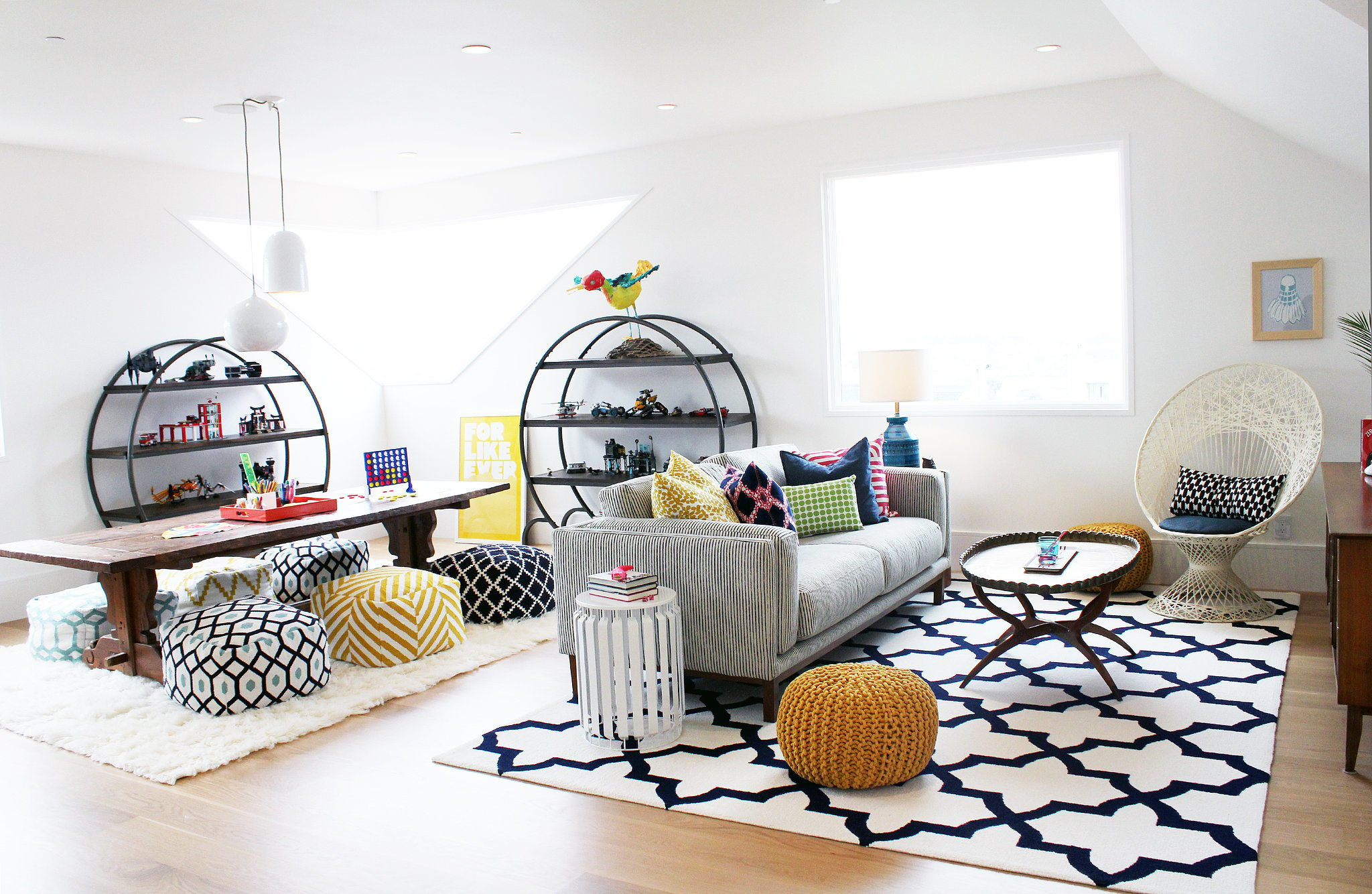
To elevate DIY home decor from simple craft work to professional-grade interior styling, one must focus on material quality, structural techniques, and timeless design principles. Here is an informative guide on how to approach DIY home decor to create sophisticated, unique, and long-lasting interior enhancements.
1. Upcycling with Purpose: Elevating Salvaged and Vintage Finds
One of the most rewarding aspects of DIY decor is upcycling—breathing new life into older, discarded, or vintage pieces. Mass-produced modern furniture often lacks the structural integrity and charm found in mid-century or vintage timber items. By identifying pieces with strong bones, you can transform forgotten furniture into striking centerpiece elements.
When approaching a furniture upcycling project, follow these essential steps to achieve a trade-quality finish:
- Surface Preparation: Thoroughly sand surfaces to remove old varnishes, waxes, or flaking paint. Proper preparation ensures that new stains or paints adhere smoothly without bubbling or peeling.
- Choosing the Right Finish: Move away from bright, high-gloss synthetic paints. Instead, opt for chalk paints, mineral finishes, or natural wood oils and waxes. Natural matte and satin finishes highlight wood grain and provide a sophisticated texture.
- Hardware Upgrades: Replacing dated plastic or cheap metal handles with solid brass, aged bronze, or hand-turned ceramic knobs immediately elevates the overall aesthetic of a cabinet or dresser.
Through deliberate refinishing, upcycled furniture gains a sense of character and history that new, store-bought items simply cannot replicate.
2. Textural Wall Transformations: Architectural Panels and Custom Plaster
Walls represent the largest surface area in any room, making them the most impactful canvas for DIY projects. Rather than relying solely on a fresh coat of flat paint, consider adding architectural depth and tactile interest through custom wall treatments.
Two accessible yet highly transformative DIY wall projects include:
- Molding and Board-and-Batten Accents: Installing simple wooden trim, wainscoting, or board-and-batten grid patterns adds immediate structural character to plain drywall. Using basic measuring tools, a miter box, and construction adhesive, you can construct classic architectural paneling that elevates entryways, dining spaces, or bedrooms.
- Lime Wash and Plaster Finishes: Applying lime wash paint or Venetian plaster creates subtle tonal variations and a velvety, stone-like texture. Unlike conventional latex paint, these natural mineral finishes react dynamically with light, giving walls a soft, organic warmth reminiscent of Mediterranean villas.
These dimensional wall treatments create a permanent sense of craftsmanship within your living space without requiring major structural renovations.
3. Bespoke Soft Furnishings: Custom Textiles and Natural Dyes
Textiles play a vital role in softening hard architectural edges, absorbing acoustic echo, and adding visual warmth. Creating custom soft furnishings allows you to select precise colors, weights, and textures that perfectly complement your existing decor scheme.
Learning basic sewing or textile-dyeing techniques opens up endless possibilities for custom home accessories:
- Custom Linen Drapery: Off-the-shelf curtain panels often come in standard lengths that fail to fit custom window proportions. Purchasing raw linen or heavy cotton canvas allows you to stitch custom-length drapery that hangs gracefully from ceiling to floor, making rooms feel taller and airier.
- Botanical and Eco-Dyeing: Experimenting with natural dyes made from avocado stones, onion skins, indigo, or tea allows you to create subtle, earthy color shades on unbleached linen pillow covers and table runners.
- Textured Cushion Covers: Incorporate tactile elements like hand-stitched embroidery, woven wool accents, or repurposed vintage textiles into custom cushion covers to add depth to seating areas.
Custom textile work ensures that your soft furnishings are truly one-of-a-kind, tailored precisely to your personal style.
4. Functional Art and Handcrafted Statement Accents
A beautiful home is filled with art and accents that tell a story. Instead of purchasing generic, mass-printed artwork, DIY projects allow you to create meaningful, gallery-worthy statement pieces using everyday raw materials.
Consider creating bespoke decorative objects such as:
- Large-Scale Canvas Art: Stretch heavy artist canvas over a simple wooden frame and experiment with textured joint compound, acrylic paints, and neutral earth pigments. Abstract minimalist art relies on texture and composition rather than complex realism, making it an ideal DIY project.
- Hand-Thrown or Sculpted Ceramics: Air-dry clay and self-hardening ceramic compounds allow you to sculpt custom catchall trays, architectural vases, and organic sculptural objects without needing an industrial kiln.
- Custom Wood and Stone Lighting: Constructing simple table lamps using turned wood blocks, stone bases, and woven linen lampshades adds both functional light and artisanal charm to side tables and desks.
Handcrafted decor items serve as natural conversation starters, filling your home with unique artistic energy.
Conclusion
DIY home decor is far more than a budget-conscious alternative to buying new furnishings; it is an intentional design philosophy that honors patience, creativity, and personal expression. By mastering basic refinishing techniques, experimenting with textural wall treatments, creating custom textiles, and crafting bespoke art, you transform your house into a curated home. The ultimate beauty of a DIY-decorated space lies in the stories behind each piece and the lasting satisfaction of having built a sanctuary with your own hands.