Home improvement is frequently viewed through the lens of aesthetic upgrades—a new coat of paint, updated light fixtures, or trendy decorative accents. While superficial enhancements offer immediate visual gratification, true strategic home improvement goes much deeper. It focuses on boosting energy efficiency, optimizing structural longevity, maximizing spatial utility, and delivering a tangible return on investment over time.
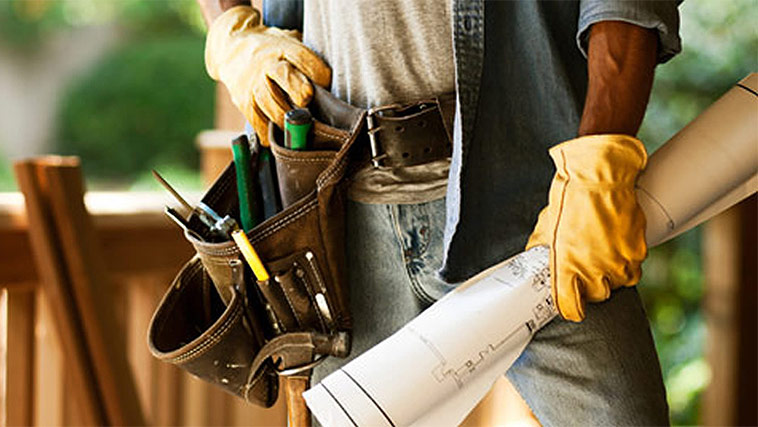
As real estate dynamics and residential needs evolve, homeowners must approach property upgrades with a calculated, long-term mindset. Enhancing a home should not merely be an expense; it should be a well-planned investment in functional comfort, reduced operating costs, and sustainable living.
1. Prioritizing High-ROI Interior Renovations
When planning interior renovations, not all projects yield the same financial or operational returns. Strategic home improvement requires prioritizing spaces that significantly impact daily routine while maintaining high resale value.
The kitchen and bathroom remain the primary drivers of residential property valuation:
- Kitchen Optimization: Rather than a full teardown, high-value kitchen improvements often focus on functional workflow. Upgrading to energy-efficient built-in appliances, replacing worn countertops with durable quartz or granite surfaces, and refacing existing cabinet frames can deliver a fresh modern aesthetic at a fraction of the cost of a complete remodel.
- Bathroom Upgrades: Modernizing bathrooms with low-flow plumbing fixtures, improved ventilation systems, and waterproof tile surrounds prevents moisture damage while reducing water utility bills. Frameless glass shower enclosures and updated vanity storage instantly improve both visual space and practical usability.
Focusing capital on these key areas ensures that renovation budgets are utilized where they create the most value for occupants and potential future buyers alike.
2. Enhancing the Building Envelope for Energy Efficiency
One of the most overlooked aspects of home improvement is the thermal performance of the building envelope. A home can feature stunning interior decor, but if it suffers from drafts, poor insulation, or thermal leakage, energy bills will remain unnecessarily high and indoor comfort will be compromised.
Improving your home’s energy efficiency involves addressing several critical structural points:
- Attic and Wall Insulation: Upgrading insulation levels in roofs and exterior walls is one of the most cost-effective ways to regulate indoor temperatures year-round, significantly reducing heating and cooling demands.
- High-Performance Windows and Doors: Old, single-pane windows are major sources of energy loss. Replacing them with double- or triple-pane low-E glass windows prevents thermal transfer, minimizes outdoor noise, and protects interior furnishings from UV damage.
- Comprehensive Air Sealing: Sealing gaps around window frames, exterior door thresholds, electrical outlets, and ductwork eliminates drafts and maintains a consistent, controllable indoor climate.
Investing in building performance lowers monthly utility overheads while lowering the carbon footprint of the residence.
3. Smart Home Integration and System Modernization
Modern home improvement extends beyond physical carpentry and masonry into digital infrastructure. Integrating smart systems transforms a traditional property into an adaptable, responsive environment that enhances security, convenience, and energy management.
Essential system upgrades to consider include:
- Smart Climate Control: Programmable smart thermostats learn household schedules and optimize HVAC usage automatically, ensuring energy is not wasted heating or cooling empty rooms.
- Automated Lighting Systems: Smart switches and LED fixtures allow homeowners to create custom lighting schedules, motion-detected illumination in transit zones, and remote control access via mobile devices.
- Integrated Home Security: Modern wireless security systems featuring video doorbells, smart door locks, and perimeter sensors provide real-time monitoring and keyless access, enhancing home safety and peace of mind.
Modernizing electrical and digital systems ensures that a home remains compatible with advancing technological standards for years to come.
4. Curb Appeal and Outdoor Living Space Expansion
The exterior of a property establishes its initial impression while offering significant opportunities for expanding usable living area. Improving outdoor spaces effectively creates additional functional square footage for relaxation, entertainment, and cooking without the high cost of room additions.
Key outdoor improvement strategies include:
- Deck and Patio Installation: Constructing composite decks or stone patios creates natural transitions between indoor living rooms and outdoor landscapes, perfect for dining and family gatherings.
- Low-Maintenance Landscaping: Incorporating native plants, automated drip irrigation, and gravel pathways reduces ongoing lawn maintenance, conserves water, and maintains pristine curb appeal year-round.
- Exterior Lighting and House Hardware: Updating outdoor lighting fixtures, repainting front doors with bold accent colors, and replacing house numbers and mailboxes give a property an immediate face-lift.
By enhancing exterior architecture and landscape usability, you maximize both street-level aesthetic appeal and outdoor lifestyle value.
Conclusion
Home improvement is a continuous process of stewardship, balancing immediate living comfort with long-term financial foresight. By shifting focus toward high-ROI interior updates, thermal building performance, smart technology integration, and functional outdoor expansions, homeowners can transform their property into a resilient, efficient, and highly valuable sanctuary. Thoughtful home improvements do not just increase market value—they elevate the daily quality of life for everyone who steps inside.