Water is the lifeblood of any household, but when it escapes its designated pipes and fixtures, it becomes one of the most destructive forces a homeowner can face. Whether it is a slow leak hidden behind a drywall or a sudden, catastrophic flood from a burst pipe, water damage is a race against time. Unfortunately, the world of water damage restoration is often clouded by myths and misconceptions that can lead to costly mistakes.
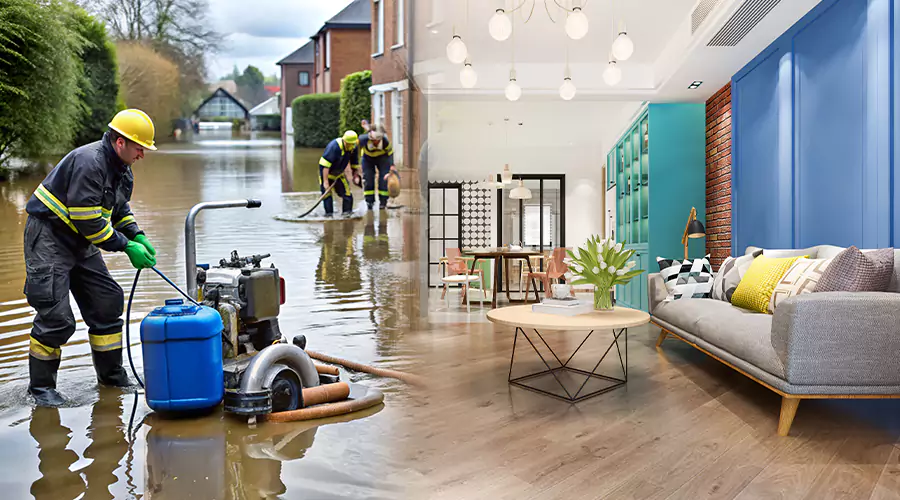
Understanding the “truth” about restoration is not just about saving your floorboards; it is about protecting your health, your investment, and your peace of mind. Here is a professional look at the realities of dealing with water intrusion and why a “wait and see” approach is never an option.
The 48-Hour Window: Why Speed is Everything
The most uncomfortable truth about water damage is that it is a progressive disaster. Once water enters a space where it doesn’t belong, the clock starts ticking. Within minutes, water spreads across surfaces and saturates porous materials like carpets, insulation, and wood.
The real danger begins at the 48-hour mark. This is the threshold where mold spores, which are always present in the air, find the moisture they need to begin colonizing. Once mold takes hold, the restoration process becomes significantly more complex and expensive. Furthermore, structural components like drywall and particle board begin to swell and disintegrate after two days of saturation. The truth is, if you haven’t started the professional drying process within the first 24 to 48 hours, you are no longer just dealing with water—you are dealing with a biological and structural hazard.
Not All Water is Created Equal: The Three Categories
A common mistake homeowners make is treating a basement flood from a rainstorm the same way they would treat a kitchen flood from a dishwasher. In the restoration industry, we categorize water into three levels based on its cleanliness and the risk it poses to humans.
- Category 1 (White Water): This comes from a clean source, such as a broken supply line or a leaking faucet. While it is the least dangerous, it can quickly degrade into Category 2 if left untreated.
- Category 2 (Gray Water): This water contains a significant degree of chemical or biological contamination. Examples include discharge from dishwashers, washing machines, or toilet overflows (without feces). It can cause discomfort or illness if ingested.
- Category 3 (Black Water): This is highly contaminated and extremely dangerous. It includes sewage, rising floodwaters from rivers, or stagnant water that has supported microbial growth. Black water contains bacteria, viruses, and parasites.
The truth here is that you cannot always “see” the danger. Even clear-looking water from a river can be teeming with pathogens. Professional restorers use specific protocols and personal protective equipment (PPE) for Category 3 water that the average DIYer simply does not have.
The Myth of the “Dry” Surface
Perhaps the most dangerous misconception in home maintenance is the belief that if a surface feels dry to the touch, the problem is solved. Many homeowners point a few desk fans at a wet carpet and assume that once the top is dry, the house is safe.
The truth is that moisture is deceptive. Water follows the path of least resistance, often seeping under baseboards, into subfloors, and up the “wicking” interior of drywall. Even if your carpet feels dry, the wooden subfloor beneath it could still be at 30% moisture content—plenty of fuel for dry rot and hidden mold. Professional restoration companies use specialized moisture meters and infrared cameras to find “trapped” moisture behind walls and under floors. True restoration is only complete when the “dry standard”—a measurement based on the unaffected parts of the home—is reached.
Insurance: Documentation is Your Best Friend
Navigating insurance claims for water damage can be a nightmare if you aren’t prepared. A common truth that many learn too late is that “gradual damage” is often not covered. If a pipe has been dripping for six months and you only notice it now, the insurance company may argue that the damage resulted from a lack of maintenance.
To ensure your claim is handled fairly, documentation is vital. Take high-resolution photos and videos of the source of the leak and all affected items immediately. Do not throw anything away—even soggy carpet—until an adjuster has seen it. Professional restoration teams are usually well-versed in insurance requirements and can provide the detailed moisture logs and “before and after” data needed to justify the cost of the claim.
The Role of Professional Equipment
While it is tempting to rent a shop-vac and a couple of industrial fans from a local hardware store, the truth is that consumer-grade equipment often falls short. Professional restorers use LGR (Low Grain Refrigerant) dehumidifiers that can pull moisture out of the air even in very low humidity environments. They also use “air movers” that create high-velocity airflow across surfaces to accelerate evaporation.
In cases of hidden moisture, professionals may use “injectidry” systems that pump air directly into wall cavities or under hardwood floors. This specialized technology can often save materials that would otherwise have to be torn out and replaced, potentially saving thousands of dollars in reconstruction costs.
Conclusion
The truth about water damage restoration is that it is a scientific process, not just a cleaning task. It requires a deep understanding of psychrometry (the study of air and water vapor), microbiology, and structural engineering. Ignoring a small leak or attempting a superficial DIY fix can lead to long-term health issues and a significant decrease in your home’s value.
If you experience water intrusion, remember the golden rules: act immediately, identify the category of water, and ensure that “dry” is measured by instruments, not by your hand. By respecting the complexity of the restoration process, you can ensure that your home remains the safe, dry sanctuary it was meant to be.