The concept of a “beautiful home” extends far beyond the price tag of the furniture or the square footage of the property. True beauty in home decor is found in the harmony between aesthetics and functionality, the balance of light and shadow, and the subtle infusion of a homeowner’s personality into their surroundings. A well-decorated home is a sanctuary—a place that inspires creativity, promotes relaxation, and provides a sense of belonging.
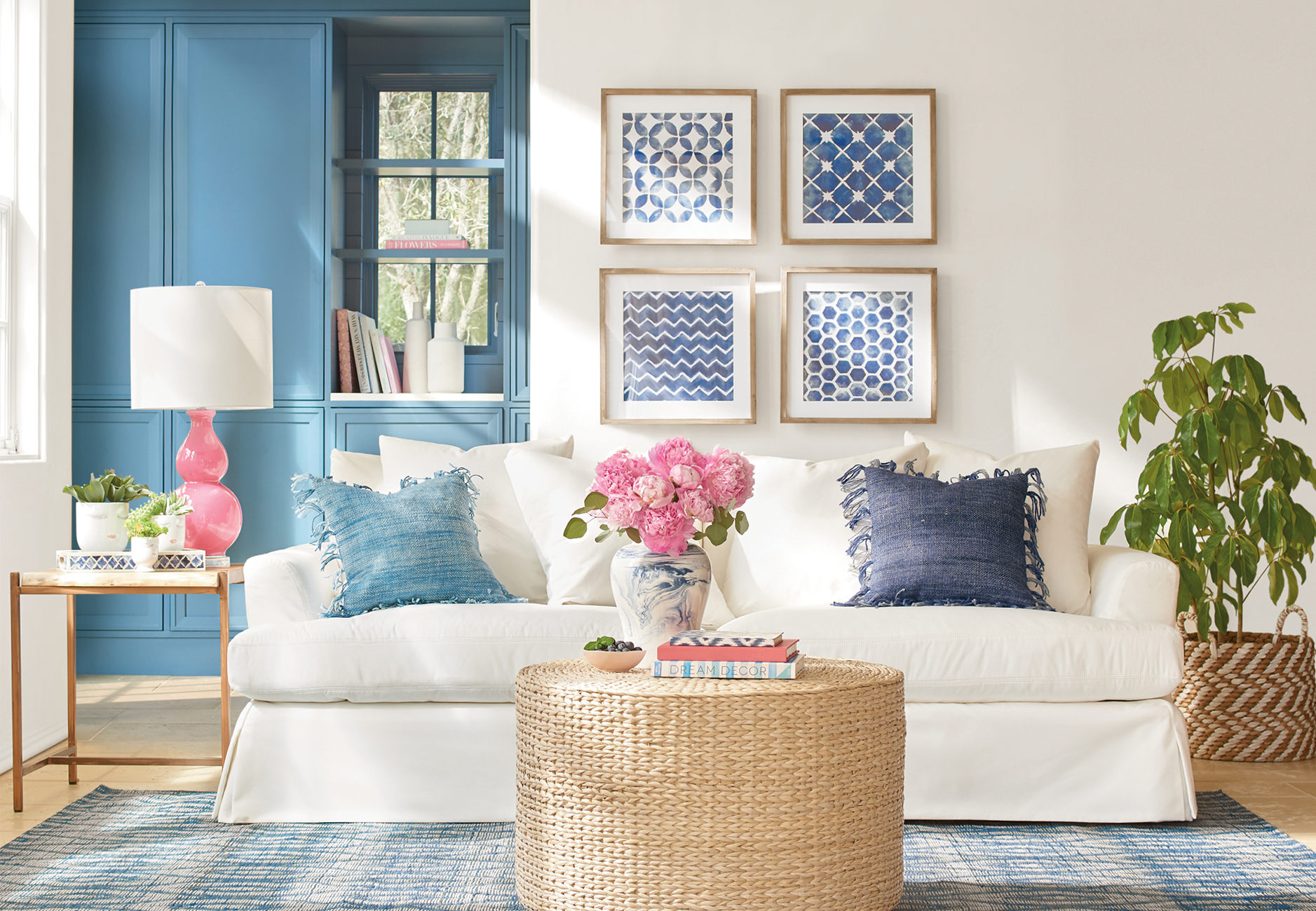
Transforming a living space into a masterpiece of interior design requires an understanding of several foundational principles. Whether you are starting with a blank canvas or looking to refresh your current environment, these professional strategies will help you achieve a sophisticated and timeless look.
The Power of a Cohesive Color Palette
Color is arguably the most influential tool in a decorator’s arsenal. It sets the emotional tone of a room and can visually expand or contract a space. To create a beautiful home, one must move beyond picking “pretty colors” and instead focus on a cohesive palette that flows from one room to the next.
A professional approach involves the 60-30-10 rule. This classic decor principle suggests that 60% of a room should be a dominant color (usually a neutral on the walls or large rugs), 30% should be a secondary color (upholstery or drapery), and 10% should be an accent color (pillows, artwork, or small decorative objects).
For a timeless and high-end feel, neutral bases like warm whites, soft greys, or taupes allow for versatility. You can then layer in “pops” of color through seasonal accessories. This strategy ensures that the home feels unified rather than a disjointed collection of differently colored rooms.
Layering Textures for Depth and Warmth
A common mistake that leads to “flat” or uninspiring rooms is the lack of texture. Even a perfectly colored room can feel cold if every surface is smooth and hard. Beautiful home decor relies heavily on tactile variety to create depth and interest.
Think of texture as the “seasoning” of a room. In a living area, this might mean pairing a sleek leather sofa with a chunky knit wool throw and velvet cushions. In a dining room, a rustic wooden table can be elevated with a smooth linen runner and ceramic centerpieces. Mixing materials—such as glass, metal, wood, and stone—creates a sensory experience that feels rich and intentional. The contrast between a shiny brass lamp and a matte-finished wooden side table, for instance, adds a layer of visual sophistication that is quintessentially “designer.”
The Art of Intentional Lighting
Lighting is often described as the jewelry of a home. It is both functional and decorative, and it has the power to highlight your best decor pieces while hiding architectural flaws. To achieve a beautiful interior, you must move away from the “big light”—the singular, harsh overhead fixture—and embrace layered lighting.
There are three essential layers to consider:
- Ambient Lighting: This is your general overhead light, but it should always be on a dimmer switch to control the mood.
- Task Lighting: Focused light for specific activities, such as an elegant brass swing-arm lamp for reading or under-cabinet LEDs in the kitchen.
- Accent Lighting: This is used to draw attention to beauty. Picture lights above a gallery wall or uplights behind a large indoor plant create drama and a sense of luxury.
By varying the height and intensity of your light sources, you can create a warm, inviting glow that makes the home feel expensive and well-cared for.
Curating Over Collecting: The Importance of Negative Space
One of the hallmarks of professional home decor is the restraint shown in accessorizing. A beautiful home is not cluttered; it is curated. This means choosing a few high-quality, meaningful pieces rather than filling every available surface with small trinkets.
“Negative space,” or the empty space around objects, is vital. It gives the eye a place to rest and allows your most beautiful items to truly shine. When styling a bookshelf or a coffee table, try the “grouping” method. Arrange items in odd numbers—usually three—and vary their heights. For example, a tall vase, a medium-sized candle, and a small decorative bowl create a visually pleasing triangle. If a room feels “off,” the solution is often to remove items rather than add them.
Bringing the Outdoors In: Natural Elements
There is an inherent beauty in nature that human design can rarely replicate. Incorporating natural elements is a foolproof way to make a home feel fresh and vibrant. This goes beyond just placing a potted plant in a corner.
Consider “biophilic design,” which emphasizes our connection to the natural world. Use large-scale indoor trees like the Fiddle Leaf Fig or Olive Tree to add height and a sense of life. Natural materials such as rattan, jute, and unpolished stone bring an organic, grounded feel to a dwelling. Even the use of natural light is a form of decor; keep window treatments light and airy to let the sun illuminate the textures and colors of your interior.
Conclusion
Beautiful home decor is an evolving journey of self-expression. It is not about reaching a state of perfection, but about creating an environment that resonates with the soul. By focusing on a cohesive color story, layering rich textures, mastering the nuances of lighting, and practicing the discipline of curation, you can elevate any house into a stunning home.
Ultimately, the most beautiful homes are those that feel lived-in yet intentional. They are spaces where every object has a purpose or a story, and where the atmosphere invites you to stay just a little longer. Use these principles as your foundation, but always allow your own intuition to guide the final touches. Your home is a reflection of your life; make it a beautiful one.