The living room is the undisputed heartbeat of any home. It is a multifunctional sanctuary where we unwind after a long day, entertain guests, and share intimate moments with family. Because it serves so many purposes, decorating this space requires a delicate balance between aesthetic appeal and practical functionality. “Dwelling adorning”—the art of beautifying your living space—is not just about following the latest trends; it is about reflecting your personality while maximizing comfort.
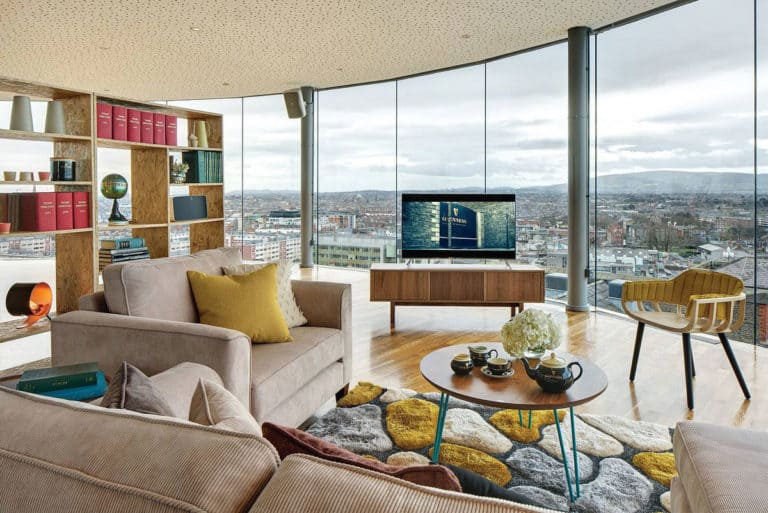
Whether you are starting with a blank canvas in a new house or looking to breathe fresh life into your current dwelling, these adorning ideas will help you create a living room that feels both curated and cozy.
Establish a Focal Point
Every well-designed living room begins with a clear focal point. This is the area to which the eye is naturally drawn upon entering the room. Without a focal point, a room can feel cluttered or disjointed.
If your home features architectural details like a fireplace or a large bay window with a view, use those as your anchor. Arrange your furniture to compliment these features rather than compete with them. If your room lacks built-in character, you can create a focal point using a large piece of art, a stunning bookshelf, or an accent wall. A bold, oversized painting or a gallery wall of personal photographs can provide a “soul” to the room, giving guests a glimpse into your history and tastes.
The Power of Layered Lighting
One of the most common mistakes in dwelling adorning is relying solely on a single overhead light source. This often creates harsh shadows and a “flat” atmosphere. To truly transform your living room, you must implement layered lighting, which consists of three types: ambient, task, and accent lighting.
Ambient lighting provides the general illumination, but task lighting—such as a sleek floor lamp next to a reading chair—adds functionality. Accent lighting is where the magic happens; use LED strips behind a television, small spotlights on artwork, or decorative table lamps to create pockets of warmth. By using different light sources at varying heights, you can shift the mood of the room from a bright, energetic space during the day to a soft, romantic retreat in the evening.
Playing with Texture and Fabric
A room that uses only one type of material can feel cold and clinical. To make a living room feel truly “adorned,” you must introduce a variety of textures. Texture adds visual weight and physical comfort, making a space feel lived-in and luxurious.
Consider the “mix and match” approach. If you have a leather sofa, pair it with a chunky knit wool throw and velvet cushions. If your flooring is hardwood or tile, a large jute or plush shag rug can define the seating area while adding warmth underfoot. Don’t forget your windows; light, airy linen curtains can soften the lines of a room, while heavy drapes can add a sense of drama and grandeur. The goal is to create a tactile experience that invites people to sit down and stay a while.
Bringing Nature Indoors: The Green Element
No living room dwelling is complete without the addition of indoor plants. Biophilic design—incorporating nature into our indoor environments—has been shown to reduce stress and improve air quality. Beyond the health benefits, plants are versatile decorating tools.
A tall Fiddle Leaf Fig or a Monstera can fill an empty corner and add height to your decor. Smaller succulents or trailing Pothos look beautiful on bookshelves or coffee tables. If you don’t have a “green thumb,” high-quality silk plants can offer the same visual benefit. The organic shapes of leaves and the vibrant shades of green break up the straight lines of furniture and electronics, providing a refreshing, organic contrast.
Smart Furniture Arrangement for Flow
The layout of your living room dictates how people interact within the space. A common error is “wall-hugging,” where all furniture is pushed against the perimeter of the room. This often leaves a large, awkward empty space in the middle and makes conversation difficult.
Instead, try “floating” your furniture. Pull the sofa and chairs a few inches away from the walls to create a more intimate seating arrangement. Ensure there is a clear “traffic path” so people can move through the room without bumping into tables or tripping over rugs. If you have a large, open-concept space, use area rugs or the back of a sofa to define different zones—such as a transition between the lounging area and a small home office nook.
Personalizing with Curated Accessories
The final stage of dwelling adorning is the “styling” phase. This is where you add the small details that make the space uniquely yours. However, there is a fine line between a curated collection and clutter.
The “Rule of Three” is a classic design principle to follow: objects arranged in odd numbers (especially three) are more appealing and effective than even-numbered arrangements. When styling a coffee table or a mantle, vary the heights of your objects. Pair a stack of books with a small candle and a medium-sized vase. This creates a visual triangle that is pleasing to the eye. Choose items that tell a story—souvenirs from travels, antique finds, or heirloom pieces—to ensure your living room doesn’t look like a generic showroom.
Conclusion
Adorning a living room dwelling is an ongoing journey of refinement. It is about creating a space that evolves with you, balancing the principles of design with the realities of daily life. By establishing a strong focal point, mastering the art of lighting, and layering textures and greenery, you can create an environment that is both sophisticated and welcoming.
Remember that the most beautiful homes are not necessarily the ones with the most expensive furniture, but those that feel intentional and personal. Use these ideas as a foundation, but don’t be afraid to break the rules to suit your own comfort. After all, the perfect living room is the one that makes you feel most at home the moment you walk through the door.